
For Florida condo and HOA boards, the building envelope is now a front-and-center responsibility. Since the post-Surfside reforms - SB 4-D and its amendments (SB 154, HB 1021, and HB 913) - milestone inspections and reserve studies (SIRS) put facade and structural condition under the microscope. Those inspections are performed by licensed engineers; here's how professional exterior cleaning and drone-assisted documentation support them.
How we reach height: drone today, rope access tomorrow
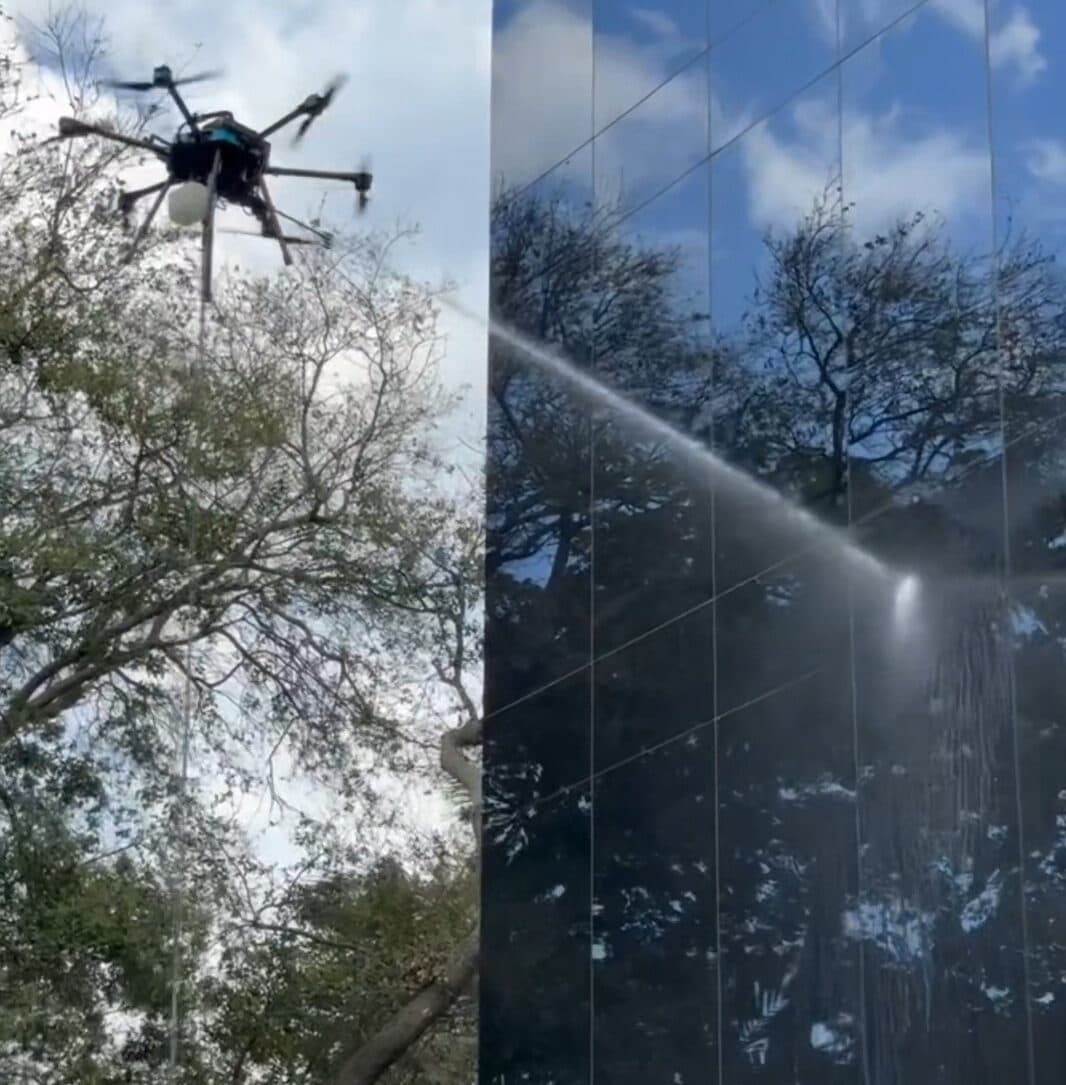
Today we reach roofs and high glass with a drone - soft-washing and documenting from the ground, with no one at height and no scaffolding or lift rental. Our owner is also IRATA rope-access certified (the international standard for safe work at height), and offering rope-access service is a capability we're building toward.
Why drone access works
Reaching roofs and high glass usually means ladders, lifts, or scaffolding - equipment cost, permit time, and fall risk. A drone soft-washes from the ground, so setup is fast and no one is exposed to a fall, which keeps recurring cleaning programs affordable.
How exterior cleaning supports milestone inspections & SIRS
Routine cleaning is the cheapest first line of defense. Regular cleaning plus drone-assisted documentation of the building envelope lets us flag early sealant failure, stucco cracks, and water intrusion for your engineer to evaluate - well before they become six-figure assessments. And every visit can produce documented before/after condition photos. To be clear: we clean, maintain, and document - we don't perform milestone inspections or reserve studies, which are the work of a licensed engineer.
Talk to our team
Cleaning Specialist USA works with South Florida boards and managers on exterior cleaning, drone-assisted documentation, and documented maintenance. We'll provide our credentials and a complimentary condition walk-through. Contact us to get started. (This article is general information, not legal or engineering advice - consult your engineer and association manager for your building's specific requirements.)